Whale watching in Los Cabos: 5 things to know before you go
When the season starts, which whales you’ll see and how to choose the right boat.
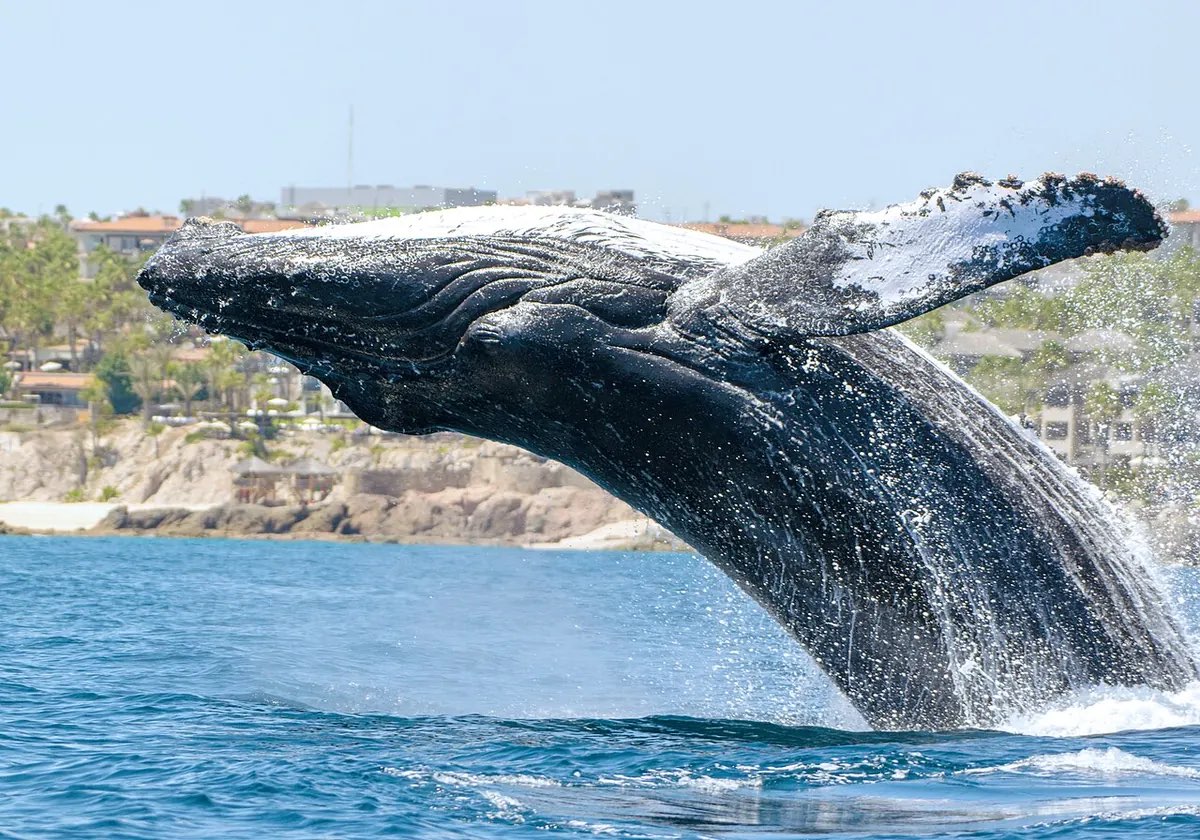
Every winter, whales travel thousands of miles to the warm waters off Baja California Sur. Watching a humpback breach a few hundred yards from your boat is one of those moments people talk about for years, and Los Cabos is one of the easiest places in the world to see it happen. A little planning goes a long way, though, so here is what to know before you book.
Watching a humpback breach next to your boat is the kind of moment people talk about for years.
The season is set every year
Mexican authorities publish the official whale watching dates every year, and the window is usually December 15 to April 15. Whales often arrive a few weeks before it opens, and you may spot them from shore as early as November, but licensed tours only run during the official season. If your dates are flexible, aim for January through March: that is the peak, when there are more whales in the area, sightings are more frequent and a morning on the water almost never comes back empty.
Humpbacks steal the show
The whales you are most likely to see here are humpbacks, and they are also the most acrobatic. They breach clear out of the water, slap the surface with their tails and long pectoral fins, and travel slowly with their calves, which makes for unforgettable moments when a mother and baby surface side by side. Gray whales also pass through Los Cabos on their way to the lagoons up the Pacific coast of Baja, where they give birth, and with a little luck you may spot other species, from dolphins to the occasional fin whale.
Choosing the right boat
The kind of boat you pick changes the whole experience. Small boats get you closer to the action and feel more personal, with just a handful of people on board and a captain who can move quickly when a whale surfaces. Larger catamarans are steadier and more comfortable, often with shade, restrooms and drinks, which makes them the better choice if anyone in your group gets seasick or if you are traveling with young kids. Whatever you choose, book with a licensed operator. Responsible captains keep a respectful distance, limit the time spent with each whale and never chase or surround them, which keeps the animals safe and the experience better for everyone.
Go early and pack smart
Morning tours usually have the calmest water and the softest light for photos, and they leave the rest of your day free for the beach. Bring a light jacket, because the wind on the water can feel chilly even on a warm day, plus sunscreen, sunglasses and motion sickness medicine if you need it, taken before you board. A phone with a good zoom helps, but do not spend the whole tour behind a screen: the best memories happen when you put it down and simply watch.
You can whale watch from land, too
You do not need a boat to see whales in Los Cabos. During peak season, it is common to see spouts and splashes from the beaches, cliffside restaurants and hotel balconies along the corridor between San José and Cabo San Lucas. Bring binoculars to breakfast, keep your eyes on the horizon and look for a puff of white mist over the water. It is a wonderful bonus on a day you had planned for something else.
Heading out on a whale tour? We can pick you up at your hotel, get you to the marina in time for check-in and take you back when you return to shore.